For more than a decade, competition in functional fabrics followed a simple rule:
more features, more specifications, and higher numbers meant better performance.
As we approach 2026, this logic is clearly shifting. Sportswear and outdoor brands are moving away from feature stacking and toward a more fundamental question:
does the wearer actually feel the difference—and can the brand clearly explain why it matters?
The following five trends are based on Eysan’s observations across brand teams, sourcing managers, and product developers. They reflect structural changes already happening in how performance fabrics are evaluated and selected.
Trend 1: From Feature Stacking to Wear Experience–Driven Design
Traditionally, functional fabrics have been communicated through specification sheets—
moisture-wicking speed, UV protection ratings, drying time, and lab test data.
By 2026, brands are increasingly recognizing that features that cannot be felt during wear rarely translate into real value.
Material evaluation is no longer centered on whether a function exists, but on questions such as:
- Does the fabric maintain comfort after several hours of wear?
- Does sweat accumulation lead to noticeable discomfort?
- Does the wearer need to constantly adjust the garment throughout the day?
As a result, fabric assessment is shifting from feature checklists to wear experience.
Thermal stability, moisture dissipation, and the absence of day-to-day disruption are becoming higher-priority criteria than isolated performance metrics.
Trend 2: Athleisure Pushes Performance Apparel into All-Day Wear Scenarios
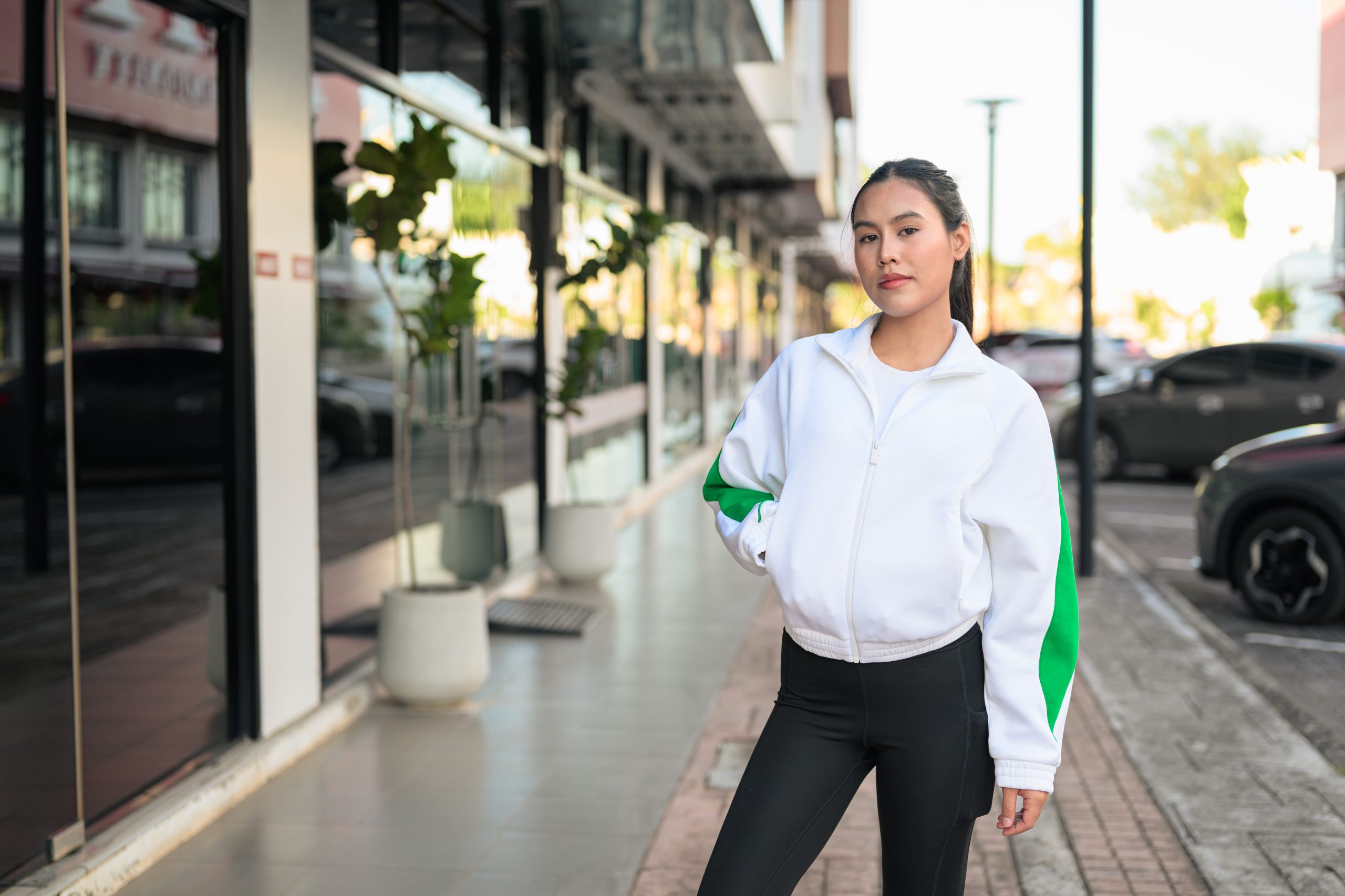
Athleisure is no longer just a design trend—it represents a structural change in how apparel is worn.
By 2026, performance garments are no longer expected to perform only during workouts. Instead, they are increasingly worn across daily life, appearing in:
- Commuting and urban mobility
- Work environments and casual social settings
- Low-intensity activity combined with prolonged wear
This expansion fundamentally changes how brands evaluate materials. Performance during activity is no longer sufficient. Brands now ask:
- Can the garment remain comfortable over extended wear without mental or physical fatigue?
- Does it transition naturally across multiple daily contexts?
- Can it reduce the need for outfit changes throughout the day?
As a result, athleisure fabric selection is shifting toward all-day adaptability, where materials must perform consistently across varying conditions rather than excel in only one moment.
Trend 3: Long-Wear Assumptions Redefine Fabric Design Criteria
As outdoor activities, travel, and mobile lifestyles become more common, brands increasingly design garments with the assumption that they will be worn continuously for 6–10 hours or longer.
This behavioral shift has a direct impact on material design. Fabrics that perform well only during the first hour of wear are no longer sufficient by 2026.
Instead, materials must maintain:
- Stable comfort over time
- Minimal amplification of discomfort as hours pass
- A psychologically acceptable wear state throughout the day
This trend is not limited to a single garment layer.
Base layers were the first category to experience this pressure, but the impact has expanded into daily performance apparel, outdoor wear, and travel-focused garments.
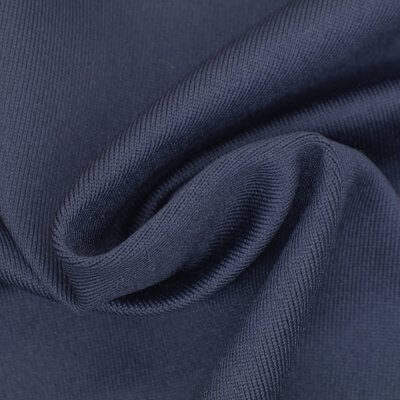
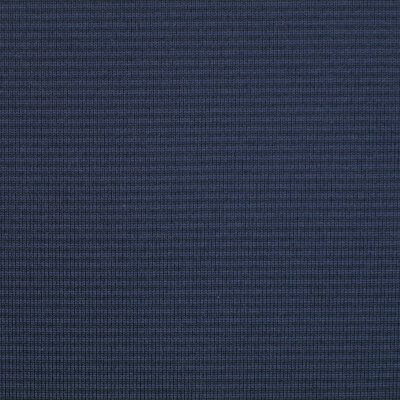
Eysan's Graphene Knitted Fabric:
Trend 4: Product-Line Role Definition Replaces One-Fabric-Fits-All Thinking
By 2026, brands are becoming increasingly clear about one thing:
not every fabric needs to serve every product line.
As markets mature and consumer segments diversify, brands are intentionally assigning roles to materials, such as:
- Core volume products prioritizing stability and cost control
- Long-wear products prioritizing comfort and durability
- Premium lines prioritizing differentiation and brand value
Fabric value is no longer judged solely by its performance features, but by how well it fits a specific role within the product architecture.
This role-based approach also allows brands to clearly communicate pricing differences—explaining not just what a product does, but why it belongs at a higher tier.
Trend 5: Hygiene Performance Becomes a Baseline Requirement
In the 2026 performance apparel market, anti-odor and hygiene performance are no longer considered value-added features.
They have become baseline requirements, particularly for garments designed for close contact and long-duration wear.
As multi-day use, travel, and outdoor activities increase, consumer tolerance for odor-related discomfort continues to decline. Brands are also increasingly unwilling to absorb returns and complaints related to hygiene issues.
This has driven material development toward:
- Inherent, material-level odor control
- Reduced reliance on short-term chemical finishes
Greater emphasis on wash durability and long-term performance

Conclusion: What Will Define Competitive Functional Fabrics in 2026?
Across these trends, one pattern is clear.
By 2026, successful functional fabrics will not be those that do everything, but those that solve real problems in clearly defined wear scenarios.
For brands, fabric selection is converging around three core questions:
- Does the wearer genuinely feel the difference?
- Can the value be clearly communicated?
- Does the material support a specific role within the product line rather than simply adding features?
FAQ: Functional Fabric Trends in 2026
What is the biggest shift in functional fabrics by 2026?
The shift is from feature quantity to wear experience. Brands prioritize fabrics that deliver stable comfort over time rather than isolated performance metrics.
Why is wear experience replacing feature-driven design?
Because consumers struggle to understand specification differences, while brands have learned that only perceptible performance translates into real value.
How does athleisure influence fabric selection?
Athleisure expands performance apparel into all-day use, requiring materials that perform consistently across work, movement, and prolonged wear.
Why has hygiene performance become a baseline requirement?
Odor and hygiene issues are amplified during long-wear scenarios. Fabrics that fail to address this are increasingly rejected by both consumers and brands.
How should brands approach fabric selection in 2026?
Brands should start from wear scenarios and product roles, evaluating materials based on long-term comfort, communication clarity, and strategic fit.
Gain more knowledge:
Sportswear Color Trends Forecast for Spring/Summer 2022
We have looked at the color trends forecast for Spring/Summer 2022 to help you select the right color combos for your collection. From violet to vibrant green, get ready for exciting winds of change this new season.
Yarn, Piece or Solution Dyed Fabric?
Which dyeing method should you choose? Is yarn, piece or solution dyed fabric best for your product? Find out the key differences between these fabric dyeing methods.
Want to know more about EYSAN? Or looking for fabric advice?

Eysan Fabrics
Eysan is a knitted fabric expert. Since 1986, it has continually supplied quality fabrics and service to clothing manufacturers and well-known clothing, athletic, and underwear brands. If you have any questions regarding knitted fabrics or have any knitted fabric needs, please feel free to reach out to us.